Steam vs dry cleaning for Notting Hill carpets: which to pick?
If you are staring at a tired hallway runner, a wine mark near the sofa, or a grimy landing carpet that has seen one too many muddy shoes, the steam vs dry cleaning decision can feel oddly complicated. In Notting Hill, where many homes mix period features, delicate fibres, busy family life, and a fair bit of day-to-day foot traffic, choosing the right carpet cleaning method really matters. The wrong choice can leave a carpet too wet, not quite clean enough, or simply not suited to the pile. The good news? Once you understand how each method works, the decision gets much easier.
This guide breaks down the practical differences, the real-world pros and cons, and the situations where steam cleaning or dry cleaning makes more sense. We will also cover what to ask before booking, what to avoid, and how to protect your carpet long after the cleaners have gone. Truth be told, that last bit is where a lot of people save themselves trouble.
Why Steam vs dry cleaning for Notting Hill carpets: which to pick? Matters
Not all carpets behave the same. That sounds obvious, but it is the part people miss most often. A thick wool carpet in a Notting Hill terrace flat will not react like a synthetic carpet in a rented apartment, and neither will respond the same way to moisture, agitation, or cleaning chemistry. Add in stairwells, front rooms with heavier footfall, pets, children, and the usual London dust that seems to arrive through closed windows anyway, and the decision starts to matter a lot more.
Steam cleaning is often the better choice when a carpet needs a deeper refresh, a more thorough soil lift, or help with ingrained dullness. Dry cleaning is usually the safer, faster option when time is tight, the carpet is moisture-sensitive, or you need the room back in service quickly. That is the core trade-off: deeper wet extraction versus lower-moisture convenience.
In practice, the best method is not always the one with the most dramatic name. A carpet that is only lightly marked may benefit more from low-moisture treatment than from a full hot-water extraction. On the other hand, a carpet with old body oils, pet traffic, and tracked-in grime usually needs a more intensive approach. If you get this wrong, you can spend money twice. Nobody wants that.
For households and landlords considering broader maintenance, it can help to look at the bigger picture too. A proper carpet cleaning service may be more appropriate than a one-size-fits-all approach, especially if you also need rug cleaning or support with stain removal.
How Steam vs dry cleaning for Notting Hill carpets: which to pick? Works
Steam cleaning in plain English
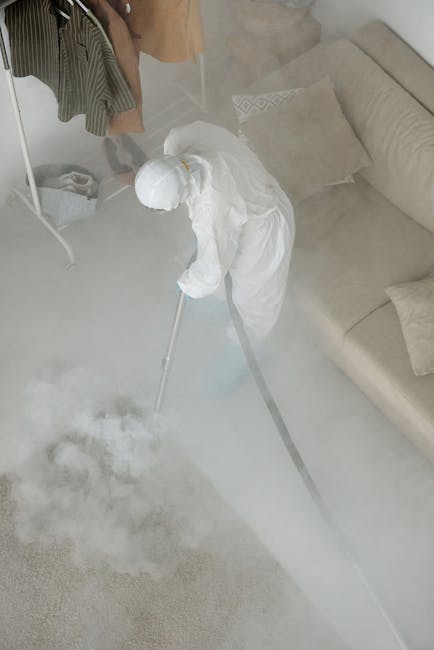
Steam cleaning for carpets is usually hot-water extraction, despite the name. It does not rely on clouds of steam blasting through the pile. Instead, heated water and cleaning solution are injected into the carpet fibres, then extracted along with loosened dirt. The heat helps break down grease and general grime, while the extraction removes soil from deeper in the pile.
Because it uses moisture, this method needs drying time. That is not a flaw; it is just part of the process. A well-done job should leave the carpet cleaner, brighter, and more fully refreshed, but you do need to plan around ventilation and drying, especially in cooler months when the windows are shut and the radiator is doing all the heavy lifting.
Dry cleaning in plain English
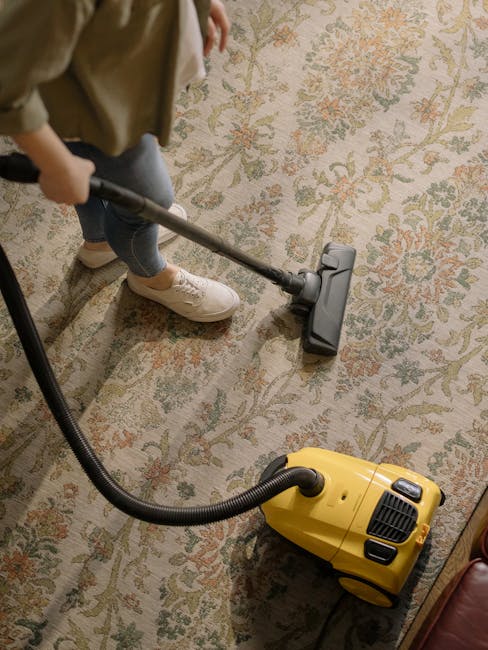
Dry cleaning uses minimal moisture. Depending on the system, that may mean a cleaning compound, bonnet method, absorbent powder, or very low-moisture solution. The aim is to lift dirt without soaking the fibres. It is quick, practical, and often useful where you cannot wait hours for drying.
Dry cleaning is not magic, and it is not automatically gentle in every situation. Some methods are better for maintenance than for restorative cleaning. If the carpet is heavily soiled, the result may look improved but not truly deep-cleaned. Still, for delicate or fast-turnaround jobs, it can be the sensible pick.
What changes the result?
The method matters, yes, but so do the carpet fibre, the backing, the underlay, the soil level, previous cleaning history, and even the layout of the room. A small landing carpet near the front door is a different beast from a dining room carpet under a heavy table. Add pet accidents, coffee spills, or recent decorating dust, and the best method may shift again.
If you are comparing options because the carpet needs more than a basic tidy-up, you may also find it useful to review related services such as deep cleaning for the wider property or pet stain and odour removal for recurring animal-related problems.
Key Benefits and Practical Advantages
| Method | Main strengths | Best for |
|---|---|---|
| Steam cleaning | Deeper soil removal, better for ingrained grime, stronger reset for tired carpets | Heavily used carpets, visible dulling, carpets needing a thorough refresh |
| Dry cleaning | Fast drying, lower moisture, convenient turnaround | Delicate carpets, time-sensitive rooms, lighter maintenance cleans |
Steam cleaning advantages
- Can remove more embedded dirt and residue.
- Often a better option for carpets that look flat or tired.
- Works well where odours and general build-up are the main issue.
- Useful for homes with kids, pets, or regular foot traffic.
Dry cleaning advantages
- Rooms can be used again sooner.
- Lower risk of over-wetting the backing or underlay.
- Often a practical choice for sensitive materials.
- Suitable for maintenance cleans between deeper services.
One thing people often overlook: the "best" result is not always the cleanest-looking result on the same day. Sometimes a carpet needs to be dry quickly because the flat is occupied, the home office is in that room, or guests are arriving later. In those cases, dry cleaning can be a lifesaver. Other times, you would rather wait half a day and get the deeper reset. It depends on the room, not just the carpet.
If you are dealing with a whole property rather than just one room, a broader one-off cleaning visit can make sense alongside carpet care. For homes with regular upkeep needs, regular cleaning may help reduce how quickly carpets become visibly dirty in the first place.
Who This Is For and When It Makes Sense
Choose steam cleaning if:
- Your carpet looks matted, dull, or heavily walked-on.
- There are obvious marks from food, drinks, mud, or pet traffic.
- You want a more restorative clean rather than a quick refresh.
- You can allow proper drying time and ventilation.
Choose dry cleaning if:
- You need the room back quickly.
- The carpet is made from a fibre or construction that should not be soaked.
- The area is lightly soiled and mostly needs maintenance.
- You are managing a busy property, rental turnover, or office space.
In Notting Hill, we often see mixed situations. A front room in a family home may need steam cleaning, while a hallway runner in a period flat may do better with lower-moisture treatment. A landlord preparing for a handover may prioritise speed. An owner-occupier may prioritise finish. Neither is wrong. They are just different priorities.
Commercial spaces are a different story again. If you manage a shared entrance, practice room, or client-facing workspace, you may want to compare commercial carpet cleaning with broader commercial cleaning so the carpet work fits into the rest of the schedule.
And if your property includes fabric furnishings, it can be smart to bundle carpet care with upholstery cleaning or even curtain cleaning. Dust loves a full-circle comeback, annoying little thing.
Step-by-Step Guidance
- Identify the carpet type. Wool, synthetic blends, and delicate natural fibres each behave differently. If you are unsure, check the label or ask the cleaner to inspect it first.
- Look at the dirt level. Light surface soil usually needs less aggressive treatment. Deep dulling, grease, or pet contamination points more towards steam extraction.
- Think about drying time. If the room must be usable the same day, dry cleaning may be the safer operational choice.
- Check for stains and odours. Some marks respond better to targeted stain treatment before the main clean.
- Consider the room's function. Bedrooms, hallways, rental properties, and commercial entrances all have different priorities.
- Ask about testing. A responsible cleaner should spot-test where needed, especially on older or less predictable carpets.
- Review the cleaning plan. Good results usually come from the right pre-treatment, agitation, extraction or low-moisture method, and sensible drying support.
If you are preparing for a move, this decision can easily get lost in the bigger list of chores. In those cases, pairing the clean with move-out cleaning or end of tenancy cleaning can be the simplest route. Less back-and-forth, fewer surprises.
For people settling into a new property, the same logic applies in reverse. A fresh start often feels better when the carpets have already been assessed and cleaned before furniture is moved in. That is why some clients also look at move-in cleaning.
Expert Tips for Better Results
1. Match the method to the fibre, not the fashion. Just because steam cleaning sounds more thorough does not mean it is always best. Delicate or moisture-sensitive carpets may prefer low-moisture care.
2. Pre-treat problem zones. Entrances, stair edges, and dining areas gather the worst build-up. Targeting these areas first gives a much better overall result.
3. Do not skip ventilation. Open windows where practical, use airflow, and avoid replacing furniture too quickly. A carpet that still feels damp will attract trouble.
4. Treat odour separately if needed. Smell and stain are not the same problem. A carpet can look fine and still carry pet odour or spill residue.
5. Ask what will happen if a stain does not fully lift. Honest cleaners will explain limits. Not every mark disappears completely, especially if it has set into the fibre or backing.
6. Think in maintenance cycles. A full steam clean once in a while, followed by lighter maintenance cleans, often makes more sense than overdoing it every time.
A small real-world observation: in older Notting Hill homes, you sometimes find a carpet that looks merely dusty but is actually holding years of fine soil. Walk across it in daylight and you can spot the difference immediately. That is the kind of situation where steam cleaning often earns its keep.
Common Mistakes to Avoid
- Choosing only by drying time. Fast is useful, but not if the carpet still needs a deeper clean.
- Ignoring the fibre type. This is how people end up with shrinkage, texture change, or an uneven finish.
- Using too much DIY moisture. More water is not better. It can push soil deeper and leave lingering odours.
- Leaving stains untreated for too long. The longer a spill sits, the more likely it becomes permanent.
- Moving furniture back too early. Damp carpets plus heavy furniture can create transfer marks and pressure dents.
- Assuming dry cleaning is always gentler. It is lower-moisture, yes, but the wrong method or product can still be a problem.
Another common one: people clean the carpet but forget the sofa arms, the stairs, and the nearby rug. Then the room still somehow feels tired. If you want the whole space to feel finished, it may be worth looking at sofa cleaning or mattress cleaning as part of a more complete refresh.
Tools, Resources and Recommendations
You do not need to become a cleaning engineer to make a good choice, but a few basics help.
- Moisture meter: Useful for checking drying progress after a wet clean.
- Spotting kit: Helpful for targeted treatment of spills and unknown marks.
- Professional vacuum: Good pre-vacuuming makes every method work better.
- Soft brush or grooming tool: Helps lift pile after cleaning and improves the finish.
- Air movement: Fans or sensible airflow can cut drying time without overcomplicating things.
From a customer point of view, the most useful recommendation is simple: ask how the cleaner would treat your exact carpet, not the average carpet. That one question tells you a lot. A thoughtful provider will talk about pile height, fibre type, stains, and drying expectations instead of jumping straight to a generic promise.
If you are comparing service options across a property or building, pages like communal area cleaning, house cleaning, and domestic cleaning can help you understand how carpet care fits into a broader maintenance plan.
Law, Compliance, Standards, or Best Practice
For carpet cleaning in the UK, the practical focus is usually on safe working, appropriate products, and sensible treatment of the property rather than any single formal rule about steam or dry methods. That said, good practice still matters. A professional cleaner should be able to explain how they manage health and safety, how they reduce slip risks during drying, and how they protect delicate materials.
Where cleaning work is carried out in homes, rentals, or managed premises, it is normal to expect reasonable care around ventilation, electrical equipment, and chemical use. If a cleaner is using heated extraction equipment, they should also show awareness of moisture control and the risk of over-wetting. If dry compounds are used, they should be applied and removed properly so residues do not linger in the pile.
For peace of mind, it is sensible to review a provider's published guidance on health and safety policy and insurance and safety. Those pages do not tell you everything, of course, but they do show whether the business takes risk management seriously. You want care, not cowboy behaviour. Simple as that.
If you are booking a service and want to understand the commercial side too, it can help to look at pricing and quotes, along with the terms and conditions and payment and security information. Transparency is always a good sign.
Options, Methods, or Comparison Table
| Factor | Steam cleaning | Dry cleaning |
|---|---|---|
| Moisture level | Higher | Low |
| Drying time | Longer | Shorter |
| Deep soil removal | Usually stronger | Usually lighter |
| Best for | Heavily used, visibly dirty carpets | Sensitive carpets, quick turnaround |
| Odour control | Often better for trapped odours | Can help, but may be limited |
| Risk of over-wetting | Higher if poorly handled | Lower |
| Finish feel | More restorative | More maintenance-focused |
Practical rule of thumb: if the carpet needs a reset, steam cleaning is often the front-runner. If the carpet needs to stay dry and usable quickly, dry cleaning is often the safer pick. That really is the heart of it.
If your carpet cleaning is part of a larger property project, the choice may also be influenced by timing around after builders cleaning, or by whether the property is a short-let through Airbnb cleaning standards where quick turnaround matters a lot.
Case Study or Real-World Example
Picture a Notting Hill maisonette with a wool-blend carpet on the stairs and landing. The family has two children, a dog, and a habit of carrying coffee upstairs in the morning. Lovely house, not-so-lovely staircase. The carpet looks okay from a distance, but close up it has a greyed path down the middle and a faint doggy smell near the top landing.
In that situation, dry cleaning might freshen the surface, but it probably will not shift the deeper build-up. Steam cleaning would be more likely to restore colour, lift soil from the pile, and reduce the lingering smell. The trade-off is drying time, so the household would need to keep off the stairs for a while and use some ventilation.
Now change one detail: the same carpet is in a flat where the owner works from home and cannot lose the landing for half a day. If the marks are light and the main goal is a tidy appearance before a viewing, dry cleaning starts to make more sense. Not because it is "better" in absolute terms, but because it fits the actual life happening in that home.
That is the decision in a nutshell. Match the method to the mess, the schedule, and the fabric. Sensible, not flashy.
Practical Checklist
- Confirm the carpet fibre and construction.
- Decide whether deep cleaning or quick turnaround matters more.
- Look for visible soil, stains, and any odour issues.
- Ask how long the carpet will take to dry.
- Check whether furniture needs moving first.
- Ask if stain pre-treatment is included.
- Make sure the room can be ventilated after cleaning.
- Confirm what happens if a stain does not fully disappear.
- Review safety, insurance, and payment details before booking.
- Consider whether rugs, sofas, or upholstery need attention too.
This checklist sounds basic, but it saves a lot of regret. And yes, regret is usually the result of not asking one extra question.
Get a free quote today and see how much you can save.
Conclusion
So, steam vs dry cleaning for Notting Hill carpets: which to pick? The honest answer is that it depends on the carpet, the level of soil, and how quickly you need the room back. Steam cleaning is usually the stronger option for deeper restoration, ingrained dirt, and odour-heavy carpets. Dry cleaning is usually the smarter choice for quick turnaround, moisture-sensitive materials, and lighter maintenance jobs.
If you are still unsure, that is normal. A good cleaner should help you make the call after looking at the carpet in person. In a place like Notting Hill, where homes can be elegant, busy, and a bit unpredictable all at once, a tailored approach is usually the right one.
Choose the method that protects your carpet, suits your schedule, and leaves the room feeling properly cared for. That is the win, really.
Frequently Asked Questions
Is steam cleaning better than dry cleaning for most carpets?
Not always. Steam cleaning is often better for deeper soil removal, but dry cleaning can be the smarter option for delicate carpets or when you need a faster turnaround. The best method depends on the fibre, the stain level, and how soon you need the room back.
Does steam cleaning actually use steam?
In most carpet-cleaning jobs, "steam cleaning" usually means hot-water extraction rather than literal steam alone. Heated water and solution are applied, then extracted with loosened dirt. The name sticks, even if the process is a bit more technical underneath.
Will dry cleaning clean a heavily dirty carpet?
It can improve the appearance, but it is usually better for lighter soil or maintenance cleans. If a carpet is very dull, greasy, or affected by traffic dirt, steam cleaning normally gives a more thorough result.
How long does a steam-cleaned carpet take to dry?
Drying time varies depending on carpet type, ventilation, room temperature, and how much moisture was used. It is often several hours, sometimes longer. A reputable cleaner should give you a realistic expectation before starting.
Is dry cleaning safer for wool carpets?
Sometimes, yes, because it uses less moisture. But wool can often be steam cleaned safely too if the method is controlled properly. The key is correct handling, not simply the name of the method.
Which method is better for pet odours?
Steam cleaning is often better when odours are trapped in the fibres or backing. If the issue is more specific, such as urine contamination, you may need targeted pet stain and odour removal rather than a standard clean.
Can either method remove old stains completely?
Sometimes, but not always. The age of the stain, the type of spill, the carpet fibre, and previous DIY attempts all affect the outcome. Set-in stains can be stubborn, and it is better to hear that honestly than to be promised miracles.
Is dry cleaning quicker for rental properties and short lets?
Yes, that is one of its big advantages. If you are trying to turn a property around quickly, dry cleaning can be useful. For a deeper refresh before a longer tenancy, steam cleaning may be worth the extra drying time.
Should I book carpet cleaning on its own or with other services?
If the home needs a broader reset, it can make sense to bundle carpet work with house cleaning, domestic cleaning, or even oven cleaning if the kitchen needs attention too. It depends on what is driving the booking.
What should I ask before choosing a method?
Ask about fibre type, expected drying time, stain treatment, odour treatment, and whether the cleaner has experience with your carpet style. If they can explain the trade-offs clearly, that is a very good sign.
Do I need to move furniture before cleaning?
Sometimes yes, sometimes no. Many cleaners can work around lighter items, but heavy furniture and fragile pieces should be discussed in advance. It is better to clear the space properly than to rush and regret it later.
Where can I get more information about the company and its policies?
You can review the business background on the about us page, and check policy details such as privacy policy, recycling and sustainability, and complaints procedure if you want extra reassurance before booking.