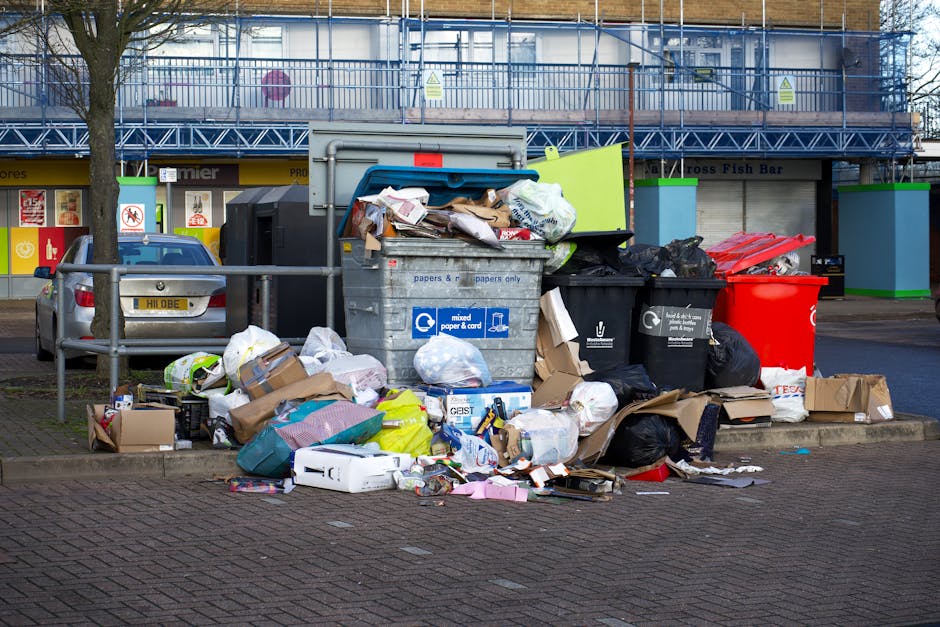
Where to dispose bulky carpet waste in Notting Hill: a practical local guide
If you have an old carpet rolled up by the front door, you already know the awkward part: it is bulky, dusty, and never seems to fit neatly into normal household waste. So, where to dispose bulky carpet waste in Notting Hill? The short answer is that you need a plan that fits the size of the load, the condition of the carpet, and how quickly you want it gone. This guide walks you through sensible local options, what to do before you move the carpet, and how to avoid common mistakes that cost time, money, and patience. Truth be told, carpet disposal is one of those jobs that looks simple until you are carrying it down a narrow stairwell in a Notting Hill flat.
Whether you are clearing out after renovations, replacing tired flooring, or finishing an end-of-tenancy clean, the right disposal method matters. It keeps hallways clear, helps you stay on the right side of waste rules, and saves that slightly miserable feeling of making three trips only to realise you still have underlay left behind. If you are also dealing with a wider property refresh, you may find our services overview useful for seeing how carpet removal, cleaning, and end-of-tenancy support can fit together.
Table of Contents
- Why where to dispose bulky carpet waste in Notting Hill matters
- How carpet waste disposal works in practice
- Key benefits and practical advantages
- Who this is for and when it makes sense
- Step-by-step guidance
- Expert tips for better results
- Common mistakes to avoid
- Tools, resources and recommendations
- Law, compliance, standards and best practice
- Options, methods, and comparison table
- Case study or real-world example
- Practical checklist
- Conclusion
- Frequently asked questions
Why where to dispose bulky carpet waste in Notting Hill matters
Carpet waste is not like a few black bags of general rubbish. It is bulky, heavy, and often awkwardly shaped, especially once you add underlay, gripper rods, staples, and dusty offcuts. In a neighbourhood like Notting Hill, where homes often involve shared entrances, basement flats, and tight staircases, the logistics matter just as much as the disposal itself.
Getting it wrong can lead to blocked communal areas, unhappy neighbours, and a wasted trip to the kerb when collections are not arranged properly. It can also leave you with a half-finished room that smells faintly musty because the old flooring has been sat around too long. Not ideal.
There is also a practical property angle. If you are preparing a flat for new tenants or handling a post-refurbishment clear-out, the job often sits alongside other tasks such as deep cleaning, upholstery touch-ups, and end-of-tenancy handover work. For landlords and agents, a cleaner exit is usually a smoother one, which is why many teams pair disposal planning with a wider clean, including end-of-tenancy cleaning in Notting Hill or house cleaning support when a property needs to be reset properly.
Key point: the best disposal route is the one that matches the volume of waste, your access situation, and how much physical lifting you want to do yourself.
How where to dispose bulky carpet waste in Notting Hill works
In practice, carpet disposal usually follows one of a few routes. You can take it to a suitable waste facility yourself, arrange a bulky waste collection where available, use a licensed waste carrier, or include removal as part of a larger clearance or cleaning job. The right choice depends on the amount of carpet, whether the material is contaminated, and how quickly you need the room cleared.
The process is straightforward, but the details matter. First, identify what you are actually disposing of. A single room's carpet and underlay is very different from a full flat's flooring after a renovation. Then check whether the carpet is clean enough to be handled as ordinary bulky waste or whether it has paint, adhesive, mould, heavy dirt, or other contamination that changes how it should be managed.
From there, think about access. Notting Hill streets can be busy, and many buildings have restricted entry points or awkward loading areas. If you are carrying long carpet rolls down several flights, a second person can make a huge difference. A professional approach is often less about speed and more about reducing mess, strain, and surprises.
If your disposal is connected to a full property refresh, it can help to pair the job with a planned clean. Many people combine it with carpet cleaning in Notting Hill when they are deciding whether to remove, replace, or salvage existing flooring. That small decision can save a lot of effort.
Key benefits and practical advantages
Doing carpet waste disposal properly is not just about getting rid of something old. It creates a cleaner, safer, and more manageable space. And, to be fair, once the carpet is gone, a room suddenly feels bigger. You notice the light, the floor edges, the odd skirting board you had not looked at in years. Strange but true.
- Less risk of blocked access: Especially important in communal hallways and compact stairwells.
- Fewer lifting injuries: Rolled carpet and underlay can be surprisingly unwieldy.
- Cleaner handover: Valuable for landlords, tenants, and letting agents.
- Better room planning: Easier to measure, clean, or refurbish once waste is removed.
- Reduced clutter stress: Getting bulky waste out of the way makes the whole job feel doable.
There is a wider operational benefit too. If you are disposing of carpet after a tenant move-out, refurbishment, or office reset, it can be efficient to align the work with broader cleaning and maintenance tasks. That is one reason people often review domestic cleaning options in Notting Hill or even office cleaning services when a property needs more than just waste clearance.
Who this is for and when it makes sense
This kind of guidance is useful for a lot of people, not just homeowners. In Notting Hill, the same carpet disposal problem turns up in flats, mews houses, rentals, managed properties, shop units, and office spaces. The scenario changes a bit each time, but the basic challenge is the same: how do you remove something bulky without creating a bigger mess?
You are likely to need this if you are:
- Replacing worn carpet in a living room, hallway, stairs, or bedroom
- Clearing a property between tenancies
- Managing a refurbishment or decoration project
- Preparing a flat for sale or new occupancy
- Cleaning up after water damage, staining, or persistent odours
- Removing carpet from a commercial room or back office
It also makes sense when the carpet is no longer really recoverable. Once the backing is damaged, the underlay is crumbling, or the fabric has absorbed years of wear and smells that are not going away, disposal is often the more practical choice. If you are weighing up whether to clean or replace, the decision often becomes clearer once you look at the carpet in daylight. Morning light has a way of being brutally honest.
For property owners and landlords, the link between disposal and the next stage matters a lot. A practical handover often includes a final clean, which is why many readers end up looking at this landlord checklist for flats in Notting Hill Gate alongside disposal planning. It helps connect the dots between clearing, cleaning, and presenting the property well.
Step-by-step guidance
If you want the least stressful route, treat carpet disposal like a small project rather than a last-minute chore. Here is the approach that works best in real homes and flats.
- Measure the waste. Note how many rooms are involved, whether underlay is included, and whether there are stairs or awkward turns.
- Check the carpet condition. Clean material is easier to handle than wet, mouldy, or heavily contaminated carpet.
- Cut into manageable sections. Long rolls are difficult to carry through tight spaces. Smaller strips are safer and easier to control.
- Remove fixings carefully. Tacks, staples, and gripper rods can cause injuries if rushed.
- Bag or wrap loose debris. Dust, fibres, and underlay crumbs spread quickly across shared floors.
- Choose your disposal route. Decide between self-delivery, collection, or a licensed removal service.
- Protect communal areas. Use sheeting or cardboard if you are moving loads through hallways or lifts.
- Finish with a proper clean. Sweeping, vacuuming, and spot cleaning help you reset the room.
If the carpet has been in a long-term rental, or if you are preparing a place for inspection, you may want to complete the disposal stage before arranging the deep clean. That sequence keeps dirt from being dragged across freshly cleaned floors. A small thing, but it makes the whole job feel calmer.
One more practical point: if you are dealing with more than one type of waste, keep carpet waste separate from general rubbish and any items that need specialist handling. It makes the load easier to describe, easier to move, and easier to dispose of correctly.
Expert tips for better results
After enough removals, the same little lessons tend to show up again and again. Not glamorous, but useful.
- Roll tightly, then secure the roll. Loose carpet opens up at the worst moment, usually halfway down the stairs.
- Remove underlay separately. It is often dirtier and more fragile than the carpet itself.
- Keep one clear path out. Do not trap yourself by stacking items in front of the exit.
- Wear gloves and sturdy footwear. Carpet edges, staples, and hidden fixings can be unpleasant.
- Work in daylight if possible. It is easier to spot fixings, stains, and trip hazards.
- Ask about collection size before booking. A vague "bulky waste" description can lead to a mismatch between what you have and what can be taken.
In our experience, the most efficient jobs are the ones where the disposal is planned before the carpet is actually lifted. That sounds obvious, but people often start pulling up flooring first and only then wonder where it should go. Not the best order, lets face it.
If you are coordinating multiple services at once, it may help to review pricing and quotes before committing to removal work, especially if you are comparing a simple clean against a full remove-and-clear approach. Cost decisions are easier when everything is laid out clearly.
Common mistakes to avoid
Most carpet disposal problems are avoidable. They are usually caused by rushing, underestimating the size of the load, or forgetting that carpet waste is awkward rather than just heavy. Here are the biggest missteps.
- Leaving carpet on the pavement too early. This can create obstruction and can look like fly-tipping if not managed properly.
- Forgetting about underlay and fixings. These are often the bits that take longer than expected.
- Trying to carry full-size carpet pieces alone. A narrow staircase in a Notting Hill property is not the place for heroics.
- Mixing waste types. Keep carpet separate from rubble, old furniture, and general household rubbish.
- Ignoring moisture or mould. Damp carpet should be handled cautiously, not dragged through clean rooms.
- Assuming every collection works the same way. Some services have limits on size, number of items, or access.
There is also a subtle mistake many people make: they clean after they move the carpet, but not before. If the carpet has shed dust or fibres, you will want to vacuum the route out of the room first. Otherwise, you are just escorting the mess to its next resting place. Very efficient, but in the wrong direction.
Tools, resources and recommendations
You do not need specialist equipment to dispose of a small amount of carpet waste, but the right basic kit makes the job easier and safer. A simple setup can save your back and your time.
| Tool or item | Why it helps | Best for |
|---|---|---|
| Heavy-duty gloves | Protects hands from staples, dust, and rough backing | Any carpet removal job |
| Utility knife or carpet cutter | Helps divide carpet into manageable sections | Large rooms and stair carpets |
| Dust sheets | Reduces mess through hallways and communal areas | Flats and shared buildings |
| Strong tape or straps | Keeps rolls tight while moving | Long carpet sections |
| Stiff broom or vacuum | Clears fibres and grit after removal | Final room clean-down |
For many people, the most useful resource is simply a good plan and a clear understanding of the rest of the job around the carpet. If the room is going to be redecorated or reset for a tenant, it is sensible to look at the wider service picture, including about us information, insurance and safety details, and the company's health and safety policy so you know what standards are being followed.
That last point matters more than people think. A waste job is not only about removal; it is also about how carefully the process is handled in a real building with real neighbours, real floors, and real limits on noise and mess. There is no prize for doing it fast if the corridor is left in a state.
Law, compliance, standards and best practice
Carpet waste disposal in the UK should be treated as a proper waste-handling task, not an informal favour. While you do not need to memorise legislation to make a sensible decision, you should follow the basic best practice that applies to bulky household and commercial waste.
The main idea is simple: waste should be passed to a legitimate route, handled responsibly, and not abandoned in a way that creates nuisance or risk. If a third party is removing the waste for you, it is wise to make sure they are appropriately set up to do that work. If you are disposing of it yourself, you need to use a legal and suitable disposal point and follow any local site rules. No shortcuts. They tend to backfire.
Good practice also means being mindful of shared spaces in Notting Hill properties. In blocks of flats, that usually includes keeping entrances clear, protecting communal surfaces, and limiting the time waste sits around waiting for collection. If you are in a managed building, check any building-specific rules before moving items through common areas. It saves awkward conversations later.
For businesses and landlords, keeping waste handling tidy is also part of presenting a professional property. If carpet disposal is part of a wider clean-up, you may want to coordinate with other services such as office cleaning in Notting Hill or domestic cleaning in Notting Hill so the space is left in a usable condition.
Options, methods, and comparison table
There is no single perfect way to deal with bulky carpet waste. The right method depends on how much you have, how fast you need it removed, and whether you want to do the lifting yourself. Here is a simple comparison.
| Method | Best for | Pros | Watch out for |
|---|---|---|---|
| Self-delivery to a waste site | Small to medium loads | Can be cost-effective, good control over timing | Transport, lifting, access, and time |
| Bulky waste collection | Single-room or mixed household loads | Convenient, less manual handling | Booking rules, collection windows, size limits |
| Licensed removal service | Large or awkward jobs | Fast, efficient, less physical strain | Usually higher cost than self-disposal |
| Part of an end-of-tenancy or deep clean | Rentals and property resets | Combines waste removal with final cleaning | Needs careful scheduling |
For many Notting Hill residents, the best balance is a combined approach: clear the carpet waste, clean the room, then decide whether the new flooring or finish should go in straight away or after a short pause. A short pause can be useful. The room settles. You see what still needs doing. It is strangely satisfying.
Case study or real-world example
Imagine a two-bedroom flat near a busy Notting Hill road. The living room carpet is worn at the edges, the hallway underlay is breaking apart, and the landlord wants the place ready for viewings quickly. The tenants have moved out, but the flat still has strip lighting, dust in the corners, and a narrow staircase that makes everything a bit fiddly.
In that situation, the sensible sequence is usually:
- Remove loose furniture and smaller items first.
- Measure the carpet sections before cutting.
- Roll and secure carpet in smaller, safer lengths.
- Clear fixings and underlay separately.
- Protect the route through the building.
- Arrange disposal before the final clean, not after.
- Finish with vacuuming and detail cleaning so the next contractor or occupant starts fresh.
That sort of setup is common in rental properties, especially where there is a short turnaround. The difference between a messy handover and a smooth one often comes down to the sequence. The waste goes first, the clean follows, and the property is left ready for the next step. Simple in theory, but it saves a lot of stress in real life.
If a full reset is needed, it can be worth exploring a local resident's perspective on Notting Hill too, because understanding how people actually live and move through the area gives useful context when planning access, timing, and property work.
Practical checklist
Use this quick checklist before you move or book out your carpet waste. It keeps the job tidy and reduces the chance of last-minute surprises.
- Have I measured the carpet and underlay?
- Do I know whether the material is clean, damp, or contaminated?
- Have I separated carpet, underlay, and fixings?
- Do I have gloves, a cutter, straps, and protective sheets?
- Is the route out of the property clear?
- Have I checked any building access rules or collection restrictions?
- Do I know which disposal method is most practical for the load size?
- Have I arranged the rest of the clean-up after removal?
- Is there anything sharp, heavy, or awkward that needs a second person?
- Have I confirmed what happens if the waste is larger than expected?
Expert summary: if you keep the job simple, separate the waste properly, and plan the route before lifting, carpet disposal becomes much less of a headache. That is the whole trick, really.
Conclusion
So, where to dispose bulky carpet waste in Notting Hill? The best answer depends on the load, your access, and how much time and effort you want to spend. For some people, a straightforward self-drop-off or collection is enough. For others, especially in flats or time-sensitive property turnarounds, a professional removal approach makes more sense because it reduces the lifting, the mess, and the risk of something going wrong in a narrow hallway.
The main thing is to treat carpet disposal as part of the bigger property job, not an isolated chore. Once the waste is out, the room can be cleaned properly, assessed clearly, and handed over with far less stress. A bit of planning goes a long way. And yes, it can feel like one of those jobs that takes over the day, but once it is done, the space breathes again.
If you are preparing a property, clearing after tenants, or just trying to get your home back in order, start with the waste plan first. The rest follows more easily than you might think.
Get a free quote today and see how much you can save.
Frequently Asked Questions
Can I put bulky carpet waste out with normal household rubbish in Notting Hill?
Usually, no. Carpet is bulky and awkward, and it is not the kind of waste that should be left with ordinary bin bags. You will normally need a suitable bulky waste route, a collection service, or another legal disposal option.
Do I need to remove the underlay as well?
Yes, if the underlay is being replaced too. Underlay is often dirty, crumbly, and heavier than it looks. It is best handled separately so it can be moved and disposed of more safely.
What if the carpet is wet or mouldy?
Wet or mouldy carpet should be treated with extra care. It may be unpleasant to handle and can spread mess through the property. Wear gloves, keep it contained, and avoid dragging it through clean rooms if you can help it.
Is it better to cut carpet before moving it?
In most cases, yes. Smaller sections are easier to carry through stairs, doorways, and shared hallways. Large uncut rolls can be awkward and may cause damage or strain.
How do I know whether to clean or dispose of old carpet?
If the carpet is only lightly soiled and structurally sound, cleaning may still be worthwhile. If the backing is damaged, the smell will not shift, or the wear is severe, disposal is usually the better call.
Can carpet waste be taken away during an end-of-tenancy clean?
Often, yes, if the removal is arranged as part of the wider property reset. That said, the exact service should be confirmed in advance so the timing works with cleaning and handover needs.
What should I do first: remove the carpet or clean the room?
Remove the carpet first. Once the waste is out, you can clean properly without dragging fibres, dust, or debris around the property again.
Are there access issues in Notting Hill flats that I should plan for?
Very often, yes. Shared entrances, stairs, narrow hallways, and parking restrictions can all affect how carpet waste is moved. A quick access check before removal usually saves a lot of hassle.
What if I only have one room of carpet to dispose of?
Even one room can still be bulky, especially if it includes underlay. It may be manageable with a small vehicle or a straightforward collection, but it still needs planning.
Can I combine carpet disposal with other cleaning or clearance work?
Definitely. In fact, that is often the most efficient approach. Pairing disposal with carpet cleaning, domestic cleaning, or end-of-tenancy work helps the property move through each stage smoothly.
What is the safest way to move carpet down stairs?
Keep the roll short, secure it tightly, wear gloves, and use two people if possible. Take your time on turns and landings. A rushed stair carry is where most mishaps happen.
What if I am not sure how much carpet waste I have?
Measure the room sizes, estimate how much of the waste includes underlay, and compare that with the space available for storage or transport. If in doubt, ask for advice before moving anything heavy. It is much easier than guessing halfway through the job.
And if you are still staring at that rolled-up carpet wondering how it all got so complicated, you are not alone. A sensible plan, a clear route, and the right next step usually make the difference.
Does carpet disposal matter for landlords and letting agents?
Yes, because it affects presentation, turnaround time, and the condition of the property at handover. Clean removal and good timing make inspections and re-let preparation much smoother.
For readers who want to see more local guidance and related topics, the Notting Hill carpet cleaning blog is a useful place to explore neighbouring articles and property tips, including pieces like a smart buyer's guide to Notting Hill real estate and a stroll through the local area for a broader sense of the neighbourhood.