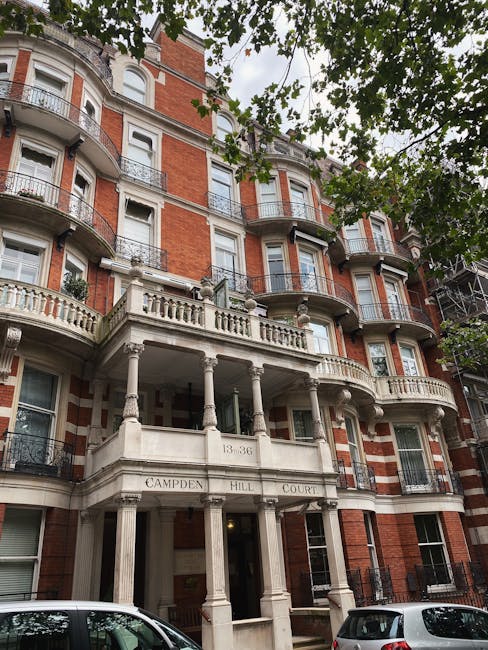
Colville Estate deep-clean for Notting Hill homes
Posted on 14/05/2026
Colville Estate Deep-Clean for Notting Hill Homes: A Practical Guide for Residents, Landlords, and Busy Households
If you live on or around Colville Estate, you already know the pace of the area can be a little unpredictable. One week it is everyday family life, the next it is visitors, deliveries, pets, dust from an open window, or the fallout from a long-overdue spring refresh. A proper deep-clean does more than tidy the surface. It resets the home. It is the difference between "looks fine" and "feels genuinely clean".
This guide explains what a Colville Estate deep-clean for Notting Hill homes should involve, how a thorough service is typically carried out, which rooms deserve the most attention, and how to avoid the mistakes that leave grime behind. It also helps you decide whether you need a one-off reset, a recurring domestic service, or something more targeted such as professional carpet cleaning in Notting Hill, upholstery care, or a broader services overview to match the job properly.
Notting Hill homes vary a lot. Some are compact flats with delicate finishes; others are larger period properties with layered surfaces, ornate details, and a few hidden corners where dust likes to live rent-free. Let's face it: those corners are rarely impressed by a quick once-over.
Quick takeaway: A well-planned deep-clean should focus on high-touch areas, hidden buildup, and the materials that hold onto dirt the longest. The goal is not just visual neatness; it is longer-lasting cleanliness, better hygiene, and less wear on the home.

Why Colville Estate deep-clean for Notting Hill homes Matters
Deep-cleaning matters because normal day-to-day cleaning only reaches so far. Wiping the worktops, hoovering the obvious crumbs, and quickly mopping the floor are all useful, but they do not remove the slow buildup that changes how a home looks, smells, and functions over time. In a busy area like Colville Estate, that buildup can come from foot traffic, cooking residues, city dust, pet hair, and the general rhythm of a lived-in home.
It also matters because Notting Hill homes often contain a mix of materials. Think wool carpets, upholstered seating, painted woodwork, natural stone, gloss kitchens, old brass fixtures, and maybe a few surfaces that need a gentler touch than modern flats elsewhere. The cleaning approach has to match the property, not just the mess.
If your home is near the bustle of Portobello Road, for example, you may notice fine dust settling faster than you expect. That does not mean your home is unusually dirty. It just means the environment rewards regular maintenance and occasional deeper intervention. For readers dealing with rugs and textured flooring, the practical advice in this Portobello Road rug care guide is especially relevant.
There is also a comfort factor. A deep-clean can improve how a place feels when you walk through the door. The air feels fresher, the rooms look calmer, and the clutter of neglect starts to disappear. That is why residents often use it before hosting, after tenancy changes, before photos, or simply after a busy stretch of life.
How Colville Estate deep-clean for Notting Hill homes Works
A proper deep-clean is usually structured rather than improvised. The cleaner first identifies the main problem areas, the surfaces involved, and any materials that need special handling. That might include natural fibres, antique finishes, limescale-prone bathrooms, or high-traffic carpets that need more than a surface vacuum.
In practice, the work often starts at the top of the room and moves downward: ceiling edges, light fittings, high shelves, skirting boards, windowsills, then furniture, floors, and finally the details that finish the job. This keeps loosened dust from falling onto already-cleaned surfaces. Simple idea. Big difference.
For many homes, the process includes a blend of dust removal, degreasing, descaling, sanitising, and fabric care. Kitchens and bathrooms usually need the heaviest treatment because they collect grease, steam, soap residue, and watermarks. Living rooms and bedrooms tend to need more attention to fabrics, floors, and hard-to-see dust.
For households with soft furnishings or rugs, a deep-clean may sit alongside specialist fabric work. If your sofa, armchairs, or hallway runner are looking tired, it can make sense to combine the visit with upholstery cleaning in Notting Hill or a targeted carpet treatment. That keeps the result consistent instead of leaving one fabric clean and the rest showing its age.
Timing matters too. A home that is occupied, busy, and fully furnished usually needs more care than an empty flat. Cleaners should move methodically, use protective measures where appropriate, and avoid over-wetting or rushing through delicate areas. A good result should feel thorough, not aggressive.
Key Benefits and Practical Advantages
A deep-clean delivers more than a visible tidy-up. The benefits are practical, and in a home setting, practical usually wins.
- Cleaner air and fewer dust hotspots: Dust, pet dander, and fine debris are reduced where they tend to collect.
- Better presentation: Rooms look brighter and more cared for, which matters if you are hosting or listing a property.
- Longer life for finishes: Built-up grime can damage carpets, fabrics, paintwork, and hard floors over time.
- Less stress: A properly cleaned home is easier to maintain and less mentally noisy to live in.
- More reliable hygiene: Kitchens, bathrooms, and high-touch points receive the attention they often miss in routine cleaning.
For landlords, agents, and homeowners preparing a move, this is especially valuable. A deeper standard of cleaning helps a property show better and reduces the chance of disputes over condition later. If you are dealing with a departure or handover, the local end of tenancy cleaning page is a useful next step.
There is also a small but real lifestyle benefit: once a home has been reset properly, routine cleaning gets easier. You are not constantly fighting old residue. Surfaces stay cleaner for longer, and weekly maintenance becomes more manageable.
Who This Is For and When It Makes Sense
This type of cleaning is a good fit for several kinds of households in and around Colville Estate.
- Busy professionals who do not have time to stay on top of the detail work.
- Families dealing with sticky surfaces, crumbs, fingerprints, and regular traffic through shared areas.
- Renters who want a proper reset before moving out or settling into a new place.
- Landlords and letting agents preparing a flat for viewings or new occupants.
- Homeowners doing a seasonal refresh after a renovation, event, or especially hectic period.
- Anyone with allergies or sensitivities who benefits from a cleaner fabric and dust environment.
It makes sense when routine cleaning no longer fixes what you can see or smell. If the kitchen feels slightly greasy even after wiping it down, if bathroom grout has gone dull, if carpets are looking flattened, or if soft furnishings hold onto stale odours, the home is telling you it needs more than basic upkeep.
For some people, the trigger is practical rather than emotional. For others, it is a life moment: new baby, new tenancy, post-party recovery, pre-sale presentation, or an annual reset. On a neighbourhood level, readers who are comparing homes and local conditions may also find this house-hunting guide for Notting Hill useful because condition and maintenance standards often matter just as much as layout.
Step-by-Step Guidance
Here is how a sensible deep-clean plan should be organised.
- Assess the property properly. Identify the rooms, materials, and trouble spots before starting. A one-bedroom flat does not need the same plan as a large maisonette.
- Declutter surfaces first. Cleaning is easier when the cleaner can actually reach the surfaces. This is one reason pre-visit preparation saves time.
- Work room by room. Kitchens, bathrooms, bedrooms, and living areas each require different products and priorities.
- Use the right method for the surface. Wood, stone, tile, fabric, and carpet all need different treatment. A single product for everything is rarely the answer.
- Focus on touchpoints. Handles, switches, banisters, remote controls, taps, and appliance fronts should not be forgotten.
- Clean hidden places. Behind radiators, under furniture edges, around skirting boards, and inside cabinet corners are common buildup zones.
- Finish with inspection. A final walk-through catches streaks, missed dust, or areas that need a second pass.
If the property includes rugs or heavy-use hallway textiles, prioritise those after the main dusting phase. The details in these Portobello Road carpet cleaning tips are useful if your flooring takes a lot of foot traffic.
One practical note: if you are preparing for a big event or a move, schedule the deep-clean with enough buffer time. That way, if a last-minute mark appears or a room needs extra drying time, you are not racing the clock.
Expert Tips for Better Results
Good deep-cleans are rarely about brute force. They are about sequence, patience, and matching the method to the material.
Start with the dustiest zones first. If you clean the floor before dusting shelves and blinds, you will simply make the floor dirty again. Top-down cleaning is not glamorous, but it works.
Test products on a small area. This is especially important on upholstery, natural stone, lacquered surfaces, and older wood. A strong cleaner can solve one problem and create another.
Let dwell time do the heavy lifting. Many degreasers and bathroom products need a short pause to work properly. Wiping too soon means more scrubbing and a weaker result.
Separate fabric care from hard-surface cleaning. Sofas, chairs, and rugs need a different approach from tiles and glass. If you blur the lines, you risk dampness, residue, or a patchy finish.
Think in layers. One pass removes loose soil. A second pass deals with residues. A final pass adds detail. That layered approach tends to produce the most reliable finish in lived-in homes.
Keep airflow in mind. Open windows where practical, particularly after bathroom, kitchen, or fabric treatment work. Good ventilation helps the space feel fresher and can reduce lingering cleaning smells.
For residents who want a fuller home reset, it can also be worth aligning deep-cleaning with broader upkeep. A regular domestic cleaning schedule or house cleaning service can keep the home from reaching that "everything needs attention at once" stage. And yes, that stage has a habit of arriving right before guests do.
Common Mistakes to Avoid
Most disappointing results come from the same handful of mistakes.
- Only cleaning what is visible. The visible areas may improve, but hidden buildup remains.
- Using one product for every surface. This is a shortcut that often causes streaks, damage, or residue.
- Rushing fabrics and carpets. Too much moisture, too much agitation, or the wrong detergent can leave a worse finish than before.
- Ignoring high-touch points. Clean-looking rooms still feel unclean if switches, handles, and taps are neglected.
- Forgetting ventilation and drying. A space that is technically cleaned but left damp does not feel finished.
- Skipping the final inspection. Small misses are easy to correct at the end, harder to fix later.
Another common issue is overconfidence after a surface tidy. A home can look respectable in daylight and still have dusty vents, greasy cupboard tops, or dull bathroom edges that tell a different story. That is exactly why deep-cleaning exists.
Tools, Resources and Recommendations
The right tools make the work quicker and safer, but they also protect the materials in the home.
| Area | Useful tools or methods | What to watch for |
|---|---|---|
| Kitchen | Degreaser, microfibre cloths, detail brush, steam or hot-water approach where suitable | Overuse of strong chemicals on delicate finishes |
| Bathroom | Limescale remover, grout brush, non-scratch pads, descaling routine | Ventilation and product compatibility with taps or screens |
| Living areas | Vacuum with strong filtration, dusting tools, upholstery care | Fabric sensitivity and hidden crumbs under furniture |
| Bedrooms | Mattress vacuuming, skirting detail, curtain and fabric attention | Moisture around bedding and soft furnishings |
| Hallways | Entry-mat cleaning, carpet extraction, edge detailing | High foot traffic and tracked-in grit |
For homeowners who want a broader local reference point, the site's about us page and services overview are useful for understanding how different cleaning services fit together. If carpets are the biggest issue, focus first on carpet cleaning in Notting Hill. If fabrics are the problem, go straight to upholstery. If the whole property feels tired, use a whole-home plan.
For those who like to compare service details carefully, the practical pages on pricing and quotes, payment and security, and the complaints procedure can help set expectations before booking.
Law, Compliance, Standards, or Best Practice
For a home deep-clean, the main compliance concerns are usually safety, product use, and service reliability rather than complex regulation. That said, there are still sensible standards to look for.
Good providers should be transparent about how they work, how they handle chemicals, and what they do to protect surfaces, residents, and property. They should also be careful with access, keys, and instructions. If anyone is working in a building with shared areas, the cleaner should respect communal spaces and local arrangements.
From a best-practice perspective, the cleaner should:
- use suitable products for the material being cleaned;
- avoid unnecessary moisture on sensitive surfaces;
- work with reasonable care around valuables and fixtures;
- follow clear health and safety practices;
- respect privacy and access arrangements;
- be honest about what can and cannot be achieved in one visit.
If you are comparing providers, the pages on insurance and safety, health and safety policy, terms and conditions, and privacy policy are worth reading. They help set a professional baseline and show whether the business treats trust seriously.
For anyone interested in responsible business standards, the site's modern slavery statement and accessibility statement also support a more transparent service experience. Small detail? Maybe. But these are the kinds of things that separate a casual operator from a properly run service.
Options, Methods, or Comparison Table
If you are deciding how much help you need, the simplest comparison is between routine cleaning, a targeted deep-clean, and a full-property reset.
| Approach | Best for | Strengths | Limitations |
|---|---|---|---|
| Routine cleaning | Weekly maintenance and tidy homes | Keeps things under control, quick and convenient | Does not remove heavy buildup or stubborn residues |
| Targeted deep-clean | Kitchens, bathrooms, fabrics, carpets, or one problem area | Efficient, budget-conscious, focused on trouble spots | May leave other parts of the home untouched |
| Whole-home deep-clean | Move-ins, move-outs, post-event reset, seasonal refresh | Most complete result, better for overall presentation | Requires more time, planning, and coordination |
If you are in a busy Colville Estate flat with good general upkeep, a targeted deep-clean can be enough. If the home has been under pressure for months, a whole-home approach makes more sense. If you are handling a rental turnover, a combined service that includes carpets, fabrics, and main living areas usually offers the best return on effort.
There is no universal answer. The right option depends on the condition of the property, the type of finishes, and your goal for the visit.
Case Study or Real-World Example
Imagine a two-bedroom Notting Hill flat on Colville Estate after a busy season of work, guests, and takeaways. Nothing is catastrophic. The place is still lived in, not abandoned. But the kitchen has a light grease film around the hob, the bathroom has limescale around the taps, hallway carpet marks have built up near the entrance, and the sofa has taken on the faint memory of daily life.
A strong deep-clean would not start with perfume or gimmicks. It would start with the order of operations: declutter, dust high and low, treat the kitchen, descale the bathroom, clean touchpoints, then move to carpets and upholstery. The result is not theatrical. It is calm. Surfaces read clean at a glance, but more importantly, the home feels reset.
In a case like that, a resident might also add a separate fabric pass, especially if the sofa and hallway runner are the main visual weakness. That is where combining services makes practical sense. The article on Notting Hill resident experiences offers a broader sense of how local households tend to think about ongoing upkeep: they want something efficient, reliable, and suitably thorough for the property they actually live in.
That is the real lesson here. Deep-cleaning should solve the visible problem without creating extra hassle. When it is done well, the home does not just look better in photos. It behaves better in daily use.
Practical Checklist
Use this checklist before booking or starting a deep-clean in Colville Estate.
- Identify the rooms that need the most attention.
- Separate hard surfaces from soft furnishings and carpets.
- Clear clutter from worktops, floors, and under-furniture spaces.
- Check whether any surfaces need gentle treatment.
- Decide if you need one-off deep-cleaning or ongoing domestic support.
- Confirm access arrangements, entry times, and any building rules.
- Ask about safety, insurance, and how products are used.
- Make sure there is enough ventilation for drying and freshness.
- Plan a final inspection so nothing important gets missed.
- Book follow-up care for carpets, upholstery, or high-traffic zones if needed.
For households that want to keep the home consistently presentable, regular house cleaning can sit alongside occasional deep-cleans quite nicely. That combination is usually easier to maintain than trying to rescue everything at once.
Conclusion
Colville Estate homes deserve more than a quick tidy when things start to feel tired. A proper deep-clean restores order, improves hygiene, protects materials, and makes the home easier to enjoy. Whether you are preparing for guests, managing a tenancy, refreshing after a busy period, or simply trying to get ahead of the buildup, the right approach is always the same: work systematically, use the right method for each surface, and pay attention to the details that most people skip.
If you want the job done properly, start with the areas that are hardest to maintain and build outward from there. Carpets, upholstery, kitchens, and bathrooms usually deserve priority. Then look at the overall finish. Does the home feel lighter, cleaner, and easier to live in? That is the real test.
Get a free quote today and see how much you can save.